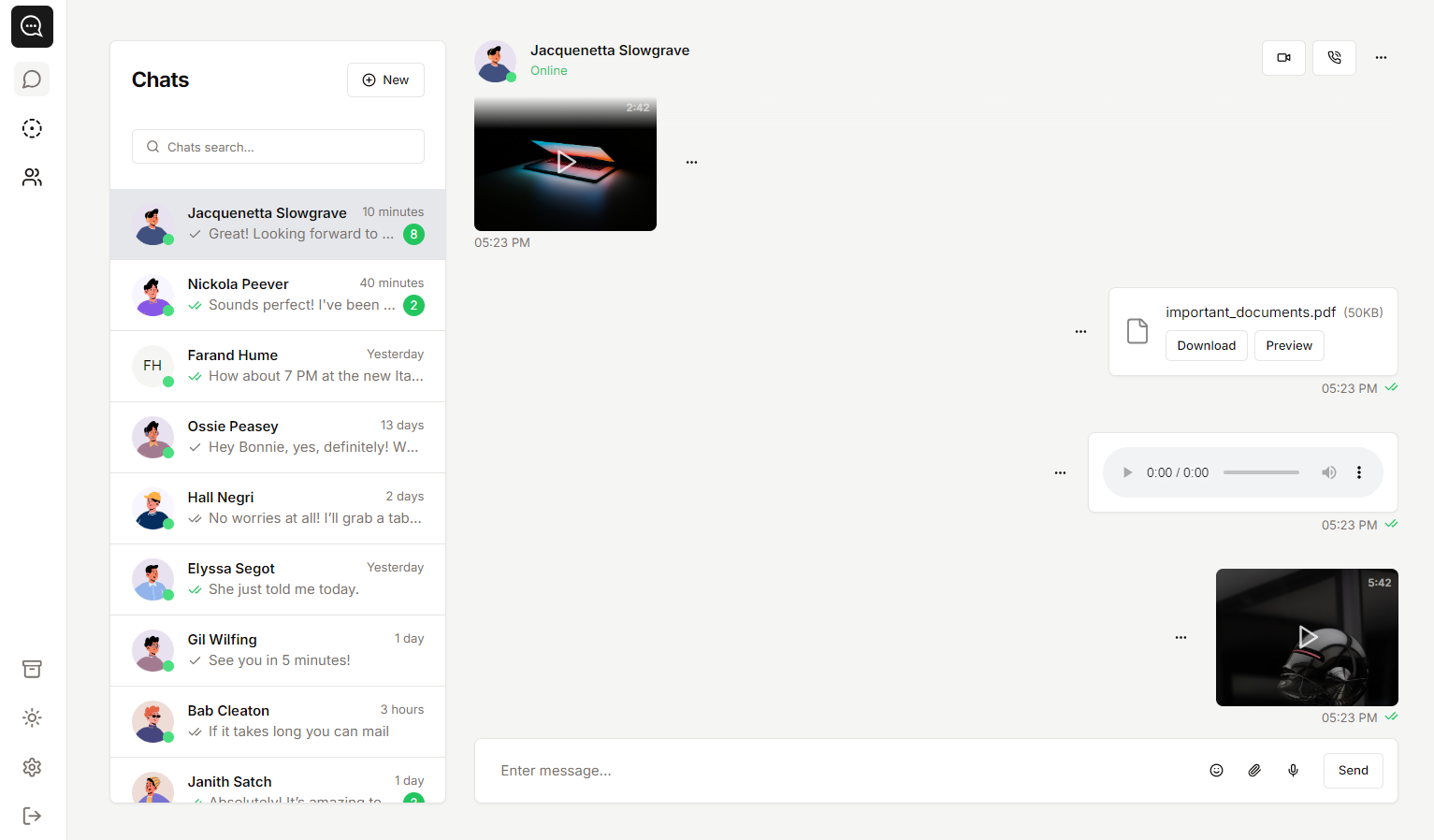
Neofolio - Next.js Portfolio Template
Neofolio is a dashboard style portfolio website template built with Next.js, Tailwind CSS, and shadcn/ui. Showcase your projects, sell digital products, and present your experience through a clean, responsive interface with dark mode support. Ideal for developers, designers, and freelancers.
What is included
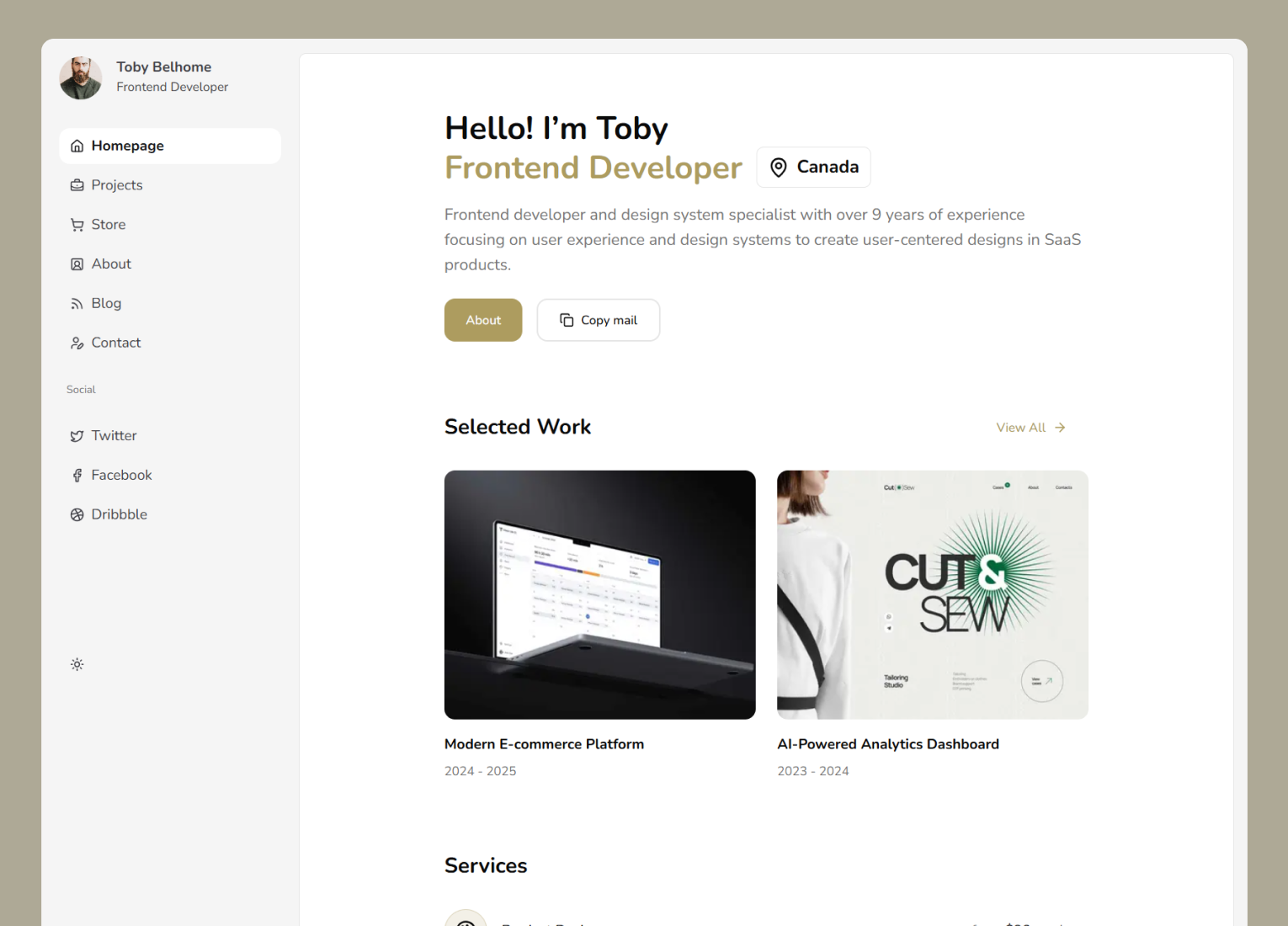
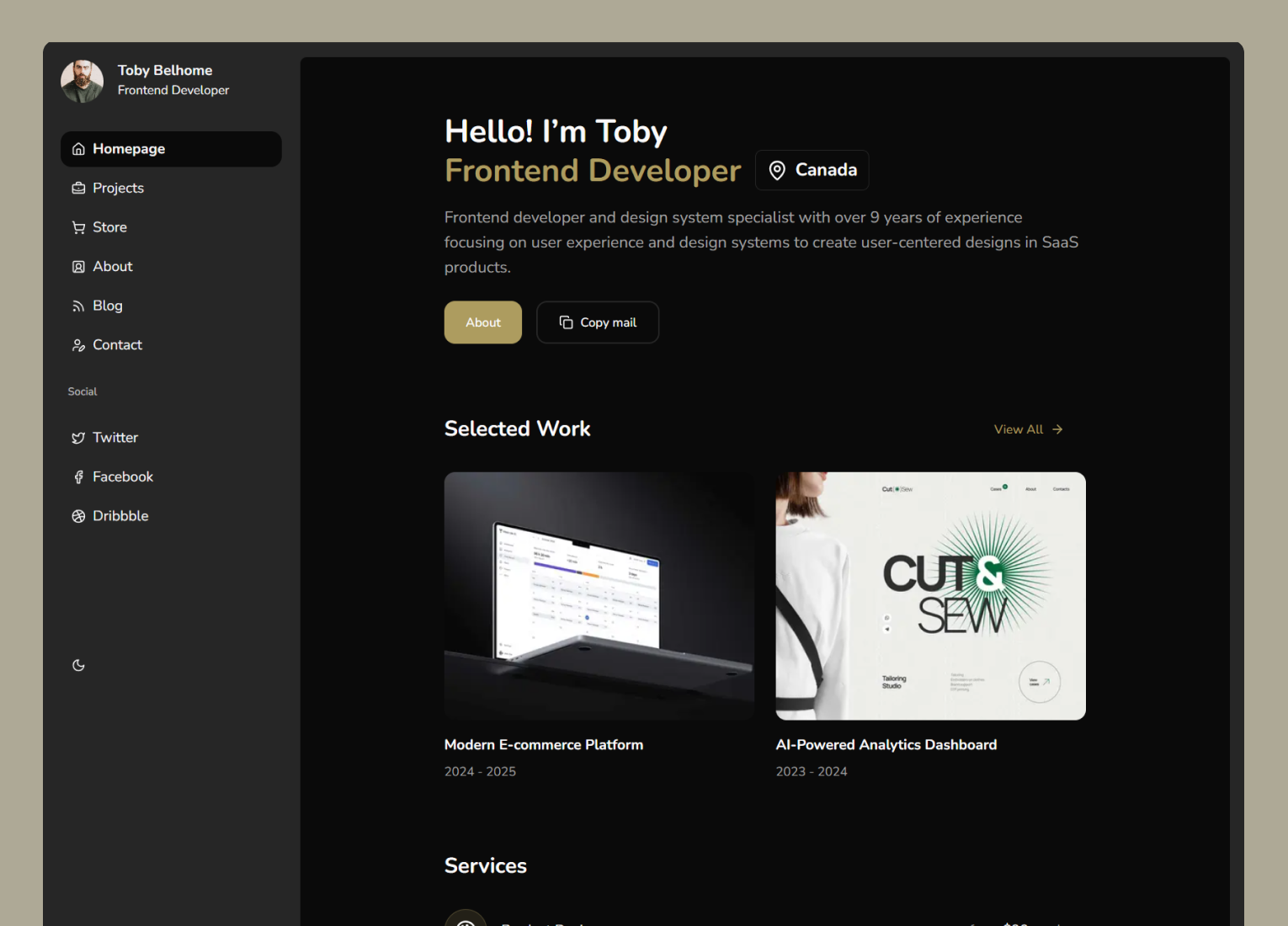
Dashboard style portfolio layout. A distinctive sidebar driven design that presents you and your work like a product, not a plain one page resume.
Project and work showcase. Dedicated sections to highlight projects, products and experience so visitors instantly see what you do best.
Next.js, Tailwind CSS and shadcn/ui. A clean, well structured codebase built on the latest versions, easy to customize and extend.
Dark mode. Light and dark themes work out of the box and follow your visitor's system preference.
TypeScript and SEO ready. Fully typed code plus metadata best practices so your portfolio ranks well on search engines.
Responsive on every device. The layout adapts from large desktop screens down to phones without any extra work.
Who it is for
Developers and designers. Present your skills, side projects and case studies through a portfolio that stands out from generic themes.
Freelancers selling services or products. Turn your portfolio into a storefront and convert visitors into clients.
Anyone building a personal brand. Share who you are, what you make and how to reach you from a single polished site.